
Guides › HVAC help
A plain-English explanation of SEER2, EER2 and HSPF2 ratings, the 2023 efficiency standards for the South, and how to use ratings when shopping.
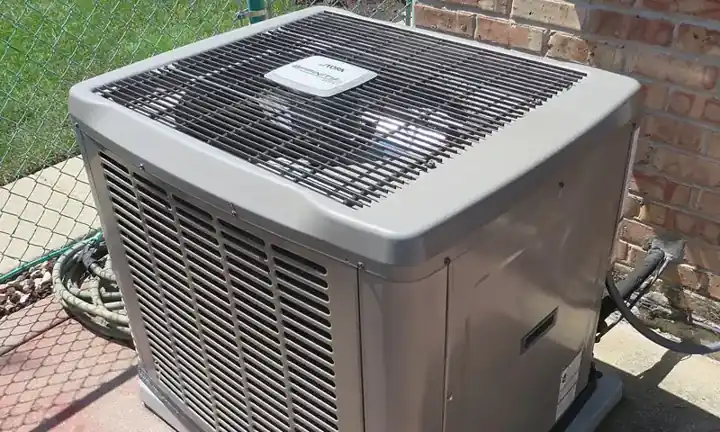
If you're shopping for a new air conditioner or heat pump, you'll see a lot of acronyms on brochures and estimates: SEER2, EER2, HSPF2. They're efficiency ratings, and understanding them helps you compare systems and judge whether a higher-priced unit is worth it for your home.
SEER stands for Seasonal Energy Efficiency Ratio. It measures how much cooling a system delivers over a typical cooling season compared to the electricity it uses. Higher is more efficient, similar to miles per gallon for a car.
Starting January 1, 2023, the U.S. Department of Energy switched to an updated test procedure, and ratings under it are called SEER2. The new test better reflects real-world conditions, including the resistance of typical home ductwork. Because the test is tougher, SEER2 numbers are a bit lower than old SEER numbers for the same equipment. So a system rated around 14.3 SEER2 is roughly comparable to an older 15 SEER rating. When comparing quotes, make sure you're comparing SEER2 to SEER2.
Federal minimum efficiency standards are regional. Florida, Alabama, Louisiana and Texas are all in the Southeast or Southwest region that has higher minimums than the North, because cooling uses so much energy here. Under the 2023 standards, new split-system central air conditioners installed in the South generally must meet at least 14.3 SEER2 (or 13.8 SEER2 for larger units of roughly 45,000 BTU/h and up), and split-system heat pumps nationally must meet at least 14.3 SEER2. Rules can include additional details, so ask your contractor to confirm the requirements that apply to your equipment.
EER2 (Energy Efficiency Ratio) measures efficiency at one hot test condition rather than across a season. It's a useful number in hot climates because it reflects how the system performs on the hottest afternoons, when it works hardest.
HSPF2 (Heating Seasonal Performance Factor) rates a heat pump's heating efficiency. Higher is better. In mild-winter areas it matters less than SEER2; in places with real winters, like North Texas, it matters more.
Not automatically. Higher-efficiency systems usually cost more up front. Whether the extra cost pays off depends on:
A high-efficiency unit that is the wrong size, has leaky ducts, or has an incorrect refrigerant charge won't deliver its rated efficiency. Ask contractors how they size the system (a Manual J load calculation is the industry standard), whether they'll check your ductwork, and how they verify the refrigerant charge and airflow after installation.
The official rating applies to a specific combination of outdoor unit and indoor coil or air handler. Pairing a new outdoor unit with an old indoor coil may not achieve the rated efficiency and can affect warranties. You can look up certified combinations in the AHRI directory, and your contractor should provide the AHRI reference for the system they quote.
SEER2 tells you how efficiently a system cools across a season. In the South, efficiency and humidity control both matter, so it's worth comparing a couple of options with a licensed contractor who can explain the tradeoffs for your specific home.
Some HVAC checks are safe for any homeowner: the thermostat, the air filter, a single breaker reset, and keeping the outdoor unit clear. Others are not. Leave refrigerant, capacitors, wiring inside the unit, and anything involving gas to a licensed professional. If you ever smell gas or see smoke or sparks, leave the home and call 911 or your gas utility from a safe place.
Southern AC Repair is a free referral service. Choose your city to call a local, independent licensed HVAC contractor, or send a request.
Sebring, FLWichita Falls, TXDothan, ALLake Charles, LAOcala, FLThis article is general information, not professional advice or a diagnosis. Always consult a licensed HVAC contractor about your specific system.
