Guides › HVAC help
Should you repair your air conditioner or replace it? A practical framework covering age, repair cost, efficiency, refrigerant and comfort.
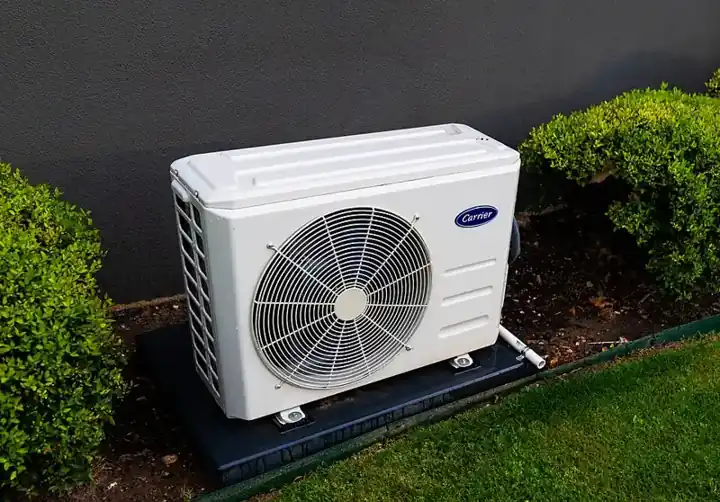
When an air conditioner breaks down, especially an older one, the big question is whether to fix it or replace it. There isn't a universal answer, but there is a sensible way to think it through. This guide covers the factors that matter most and the questions to ask a contractor so you can make the call with confidence.
Central air conditioners and heat pumps commonly last somewhere in the range of 10 to 15 years, though results vary a great deal with climate, installation quality and maintenance. In the Deep South, where systems may run most of the year, equipment can wear faster than in milder regions. A young system with a single failed part is almost always worth repairing. A system well past the middle of its expected life deserves a closer look before you spend significant money on it.
A popular rule of thumb is the "5,000 rule": multiply the age of the system by the repair cost. If the result is more than about 5,000, replacement may be worth considering. For example, a 12-year-old system with a $600 repair gives 7,200. It's a rough guide, not a rule, but it captures the idea that big repairs on old equipment are a weaker investment. Small repairs such as a capacitor, contactor or drain line clearing are usually reasonable even on older systems.
One repair in ten years is normal. Several repairs in the last couple of years, or a pattern of the same issue returning (for example repeated refrigerant leaks), suggests the system is entering the expensive end of its life.
Systems built before about 2010 often use R-22 refrigerant, which has been phased out of production in the U.S. Remaining supplies are limited and typically costly. If an R-22 system has a leak or a compressor problem, replacement is often the more practical path. Newer systems use R-410A or, increasingly, newer lower-impact refrigerants. Your contractor can tell you what's in your system from the label on the outdoor unit.
Efficiency standards have risen over time, and the rating system changed to SEER2 in 2023. A newer, properly sized system may use noticeably less electricity than an older one, though actual savings depend on your home, usage and rates. If your bills have been creeping up without a change in habits, the system may be losing efficiency.
Replacement isn't only about breakdowns. If some rooms are always hot, the house feels clammy, or the system is noisy, a new properly sized system (sometimes with variable-speed equipment or duct improvements) can solve problems a repair never will. Be cautious about simply replacing "like for like" if the old system never kept you comfortable; ask whether a load calculation has been done.
Repair and replacement costs vary widely by region, equipment, home layout and what's included, so we don't quote prices. Getting a written estimate that itemizes equipment, labor, permits and warranty is the best way to compare options. Licensed contractors provide pricing directly.
Repair when the system is relatively young, the fix is modest, and it has kept you comfortable. Consider replacement when the system is older, the repair is major, it uses R-22, it breaks down often, or comfort has never been good. Either way, a licensed local contractor can inspect the system and lay out the options for your specific home.
Some HVAC checks are safe for any homeowner: the thermostat, the air filter, a single breaker reset, and keeping the outdoor unit clear. Others are not. Leave refrigerant, capacitors, wiring inside the unit, and anything involving gas to a licensed professional. If you ever smell gas or see smoke or sparks, leave the home and call 911 or your gas utility from a safe place.
Southern AC Repair is a free referral service. Choose your city to call a local, independent licensed HVAC contractor, or send a request.
Sebring, FLWichita Falls, TXDothan, ALLake Charles, LAOcala, FLThis article is general information, not professional advice or a diagnosis. Always consult a licensed HVAC contractor about your specific system.
