Southern AC Repair connects homeowners in Sebring, Dothan, Lake Charles and Ocala with independent, licensed heating and cooling contractors. Pick your city to get the local number.

Choose your city, then tap the local number or fill out the short request form. Calling is free.

Southern AC Repair is a referral service. An independent, licensed local HVAC contractor who serves your area calls you back to talk through the problem and set up a visit.
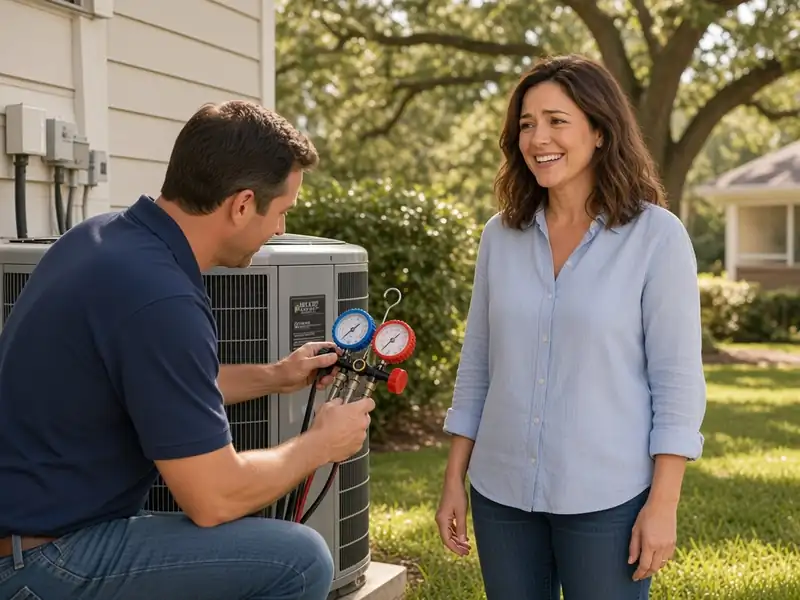
The contractor diagnoses the problem, gives you pricing directly, and fixes it so your home is cool again.
Images are illustrative.
Diagnosis and repair for systems that won't cool, blow warm air, leak water, make noise, or keep tripping the breaker.
Help comparing new systems when repairs no longer make sense, including properly sized, efficient equipment and financing questions.
Installation, repair, and maintenance for heat pumps that handle both cooling and heating.
Ductless systems for additions, garages, workshops, sunrooms, and homes without ductwork.
Seasonal checkups, coil cleaning, drain line flushing, and filter service to help prevent breakdowns.
Plain-language answers to the questions homeowners ask most, written for hot, humid Southern climates.
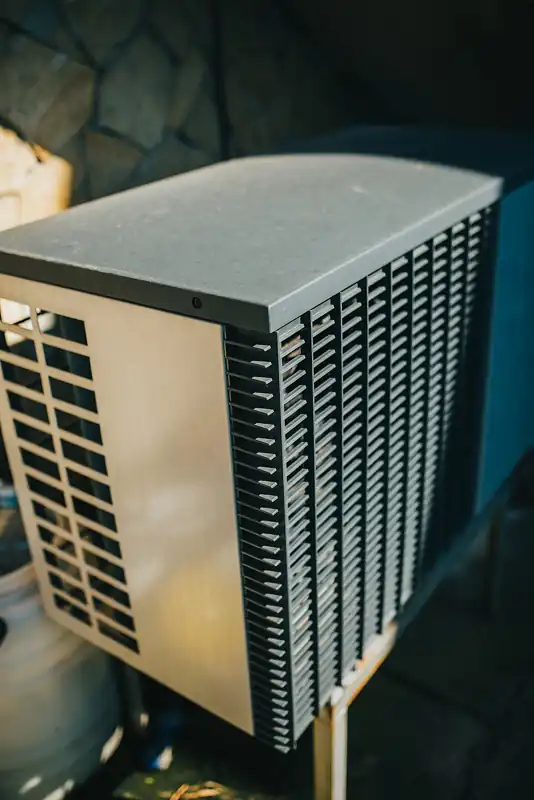
Common causes include a thermostat set to heat or fan-only, a clogged air filter, a tripped breaker or outdoor disconnect, a frozen coil, or a refrigerant or electrical problem. Check the thermostat, filter and breaker first; anything beyond that needs a licensed technician. See our guide: AC blowing warm air.
It depends on the filter type and your home. Many 1-inch filters are changed every 1 to 3 months, more often with pets, allergies, or heavy summer use. Thicker media filters can last longer. Follow the filter maker's guidance and check it monthly. See our guide: how often to change your AC filter.
Lifespan varies with the equipment, installation quality, maintenance, and climate. Systems in hot, humid or coastal areas often work harder. Regular maintenance helps, and a contractor can assess the condition of your specific system.
It depends on the age and condition of the system, how often it breaks down, the cost of the repair compared with replacement, and efficiency. Ask a licensed contractor for a written estimate for both options. See our guide: repair vs. replace.
Ice on the coil or refrigerant lines is usually caused by restricted airflow (a dirty filter or closed vents) or low refrigerant. Turn cooling off and let it thaw with the fan on, replace the filter, and call a pro if it happens again. See our guide: frozen AC coil.
Most manufacturers and contractors recommend a professional tune-up at least once a year, ideally before the cooling season. Heat pumps that also heat in winter often benefit from service twice a year. See our guide: signs you need an AC tune-up.
Proper sizing depends on your home's square footage, insulation, windows, ductwork, and climate. A contractor should do a load calculation (such as Manual J) instead of guessing from square footage or matching the old unit.
Possible causes include a dirty filter, an aging or poorly maintained system, leaky ducts, thermostat settings, poor insulation, or an AC that runs nonstop because something is wrong. A licensed technician can check the system's performance.
Yes, some dripping from the condensate drain line near the outdoor area is normal in humid weather. Water pooling indoors around the air handler or furnace is not normal and may mean a clogged drain or other problem.
Check that the thermostat is set to cool and below room temperature, replace its batteries, check the breaker and outdoor disconnect, and check for a tripped condensate float switch. If a breaker trips again, stop and call a licensed pro.
General information only, not a diagnosis. For your specific system, talk with a licensed HVAC contractor.
Prefer to talk? Calling is fastest. Or send a request below.
