Guides › HVAC help
How heat pumps cool and heat your home, defrost mode, backup heat, and tips for getting the most from a heat pump in the South.
Across Florida, Alabama, Louisiana and Texas, many homes use a heat pump instead of a traditional air conditioner plus furnace. If you've just moved into a home with one, or you're weighing whether to install one, here's how they work and how to use them well.
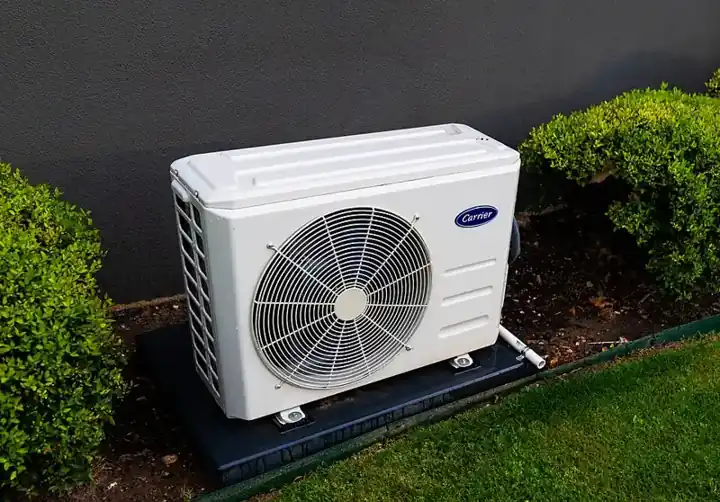
A heat pump looks almost identical to a central air conditioner: an outdoor unit with a fan and coil, connected by refrigerant lines to an indoor air handler. In summer it works exactly like an AC, moving heat from inside your home to the outside. The difference is a component called a reversing valve, which lets it run in reverse in winter, pulling heat from the outdoor air and bringing it inside.
Even cold air contains heat energy. Because a heat pump moves heat rather than creating it by burning fuel or running resistance coils, it can deliver more heat energy than the electricity it uses under many conditions. That's why heat pumps are popular in the mild-winter South.
In cold, damp weather, frost builds up on the outdoor coil while heating. The system periodically switches into defrost mode to melt it. During defrost you might notice the outdoor fan stop, a whooshing sound, and steam rising from the unit. That's normal. What isn't normal is thick ice that stays on the coil for hours or a unit encased in ice; that's a reason to call for service.
Most heat pumps in the South have electric heat strips in the indoor air handler as backup. They kick in when it's very cold, during defrost, or when you ask for a big temperature increase quickly. Backup heat works well but costs much more to run than the heat pump itself. If your thermostat shows "Aux" or "Emergency Heat" running often in mild weather, have the system checked.
Emergency heat is a thermostat setting that runs only the backup strips. Use it only if the heat pump itself has failed and you're waiting for repairs.
In most of Florida, south Alabama and southwest Louisiana, winters are mild enough that a heat pump handles heating well for many homes. In places with colder winters, like North Texas, some homeowners choose a dual-fuel system: a heat pump for most of the year, with a gas furnace that takes over in the coldest weather. Newer cold-climate heat pumps have also improved low-temperature performance. The right choice depends on your home, utility rates and whether gas is available; a contractor can compare options.
Mini-split systems are heat pumps too. They're a good option for additions, garages, workshops and homes without ductwork, and they let you control rooms individually.
Heat pumps carry two ratings: SEER2 for cooling and HSPF2 for heating. Higher numbers are more efficient. See our guide to what SEER2 means.
Some HVAC checks are safe for any homeowner: the thermostat, the air filter, a single breaker reset, and keeping the outdoor unit clear. Others are not. Leave refrigerant, capacitors, wiring inside the unit, and anything involving gas to a licensed professional. If you ever smell gas or see smoke or sparks, leave the home and call 911 or your gas utility from a safe place.
Southern AC Repair is a free referral service. Choose your city to call a local, independent licensed HVAC contractor, or send a request.
Sebring, FLWichita Falls, TXDothan, ALLake Charles, LAOcala, FLThis article is general information, not professional advice or a diagnosis. Always consult a licensed HVAC contractor about your specific system.
